Wiper Blades Fitment & Size Chart
Find the best windshield wipers for winter & summer
Find the best windshield wipers for winter & summer

Explore the aftermarket windshield & back glass wiper suggestions
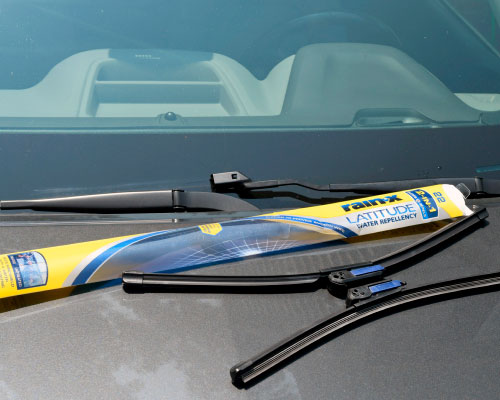
If you visit an auto part store today, you'll actually see several wiper blades with the rubber blade. This is the most common product in our market currently. The rubber blade often deteriorates, rips, tears, and falls apart.
Do you have the time and patience? Replace only your rubber blade. If you do this, you'll save a lot of money. A wiper blade is relatively costly.
But you can still go ahead and purchase wiper blades with rubber blades. This is the best route if you price highly on convenience.
The three most popular wiper arm styles in our auto part market today are the side post, J hook, and bayonet.
Chances are your car has the J-hook style. A significant fraction of vehicles out there have it. But any of these three options will serve you well. They lock into place. In this regard, you'll find it easy to remove and install them (even alone).
• Direct sunlight (ultraviolet light and ozone depletion)
• Rubber-deteriorating oil
• Airborne debris (mud, sand, dust)
• Moisture (acid rain and salt water destroy the blades)
If you want to know the wiper size that's best for you, you are in the right place. Remember not many wiper blades on the market will meet your needs. In fact, these critical devices are vehicle specific.
If your car's wiper blades on the driver and passenger's side are the same size, you can be happy. But don't think that's always the case. Many are vastly unique. Select the most suitable wiper blades for proper fitment to attain the maximum visibility possible.
Avoid large wipers. Otherwise, you'll find that one or both of them are hanging off the windshield's side. Or, whenever the blade is in an entirely vertical position, it'll be hitting your top windshield trims. This will likely destroy your wiper blades and the areas that it doesn't clear.
You also don't need too long blades as they can keep hitting each other, tangling up, and eventually destroying your wiper arms and your motor transmission. What's more, this will possibly damage your entire wiper blades.
What about smaller blades? Don't opt for these blades. If you do, you'll find much larger spots that aren't cleared.
As such, before you replace your blades, check your owner's manual or use an online wiper blade size finder. Look for information on the size of blades that will help you to ensure the appropriate fitment. This way, you'll prevent unnecessary damages and also get the best service.
If you like, you can use our wiper size finder that we update frequently. We regularly visit windshield wiper size chart to keep it up with the industry standard.
Our well-trained experts get all the latest information on this topic from multiple credible sources. Whenever a change occurs, we swiftly update our system to ensure we help you to make the right purchase.
These factors and also technical issues, cause the most common wiper problems:
Streaking: When the rubber squeegee dries hardens, or racks, this problem occurs. Foreign substances like tree sap and road tar collected on the blade or the glass can also be streaking.
Skipping: Lack of use can make the blade to develop a curvature.
Wearing: Extensive use makes the rubber edges around (instead of squared).
Splitting: The sun's ultraviolet rays break down the rubber squeegee and separate it from the frame.
Note that Bent Refill Vertebra and Bent Frames can cause inconsistent contact with the glass surface. This can result in either skipping or streaking.
How regularly should you check your wiper blades? Well, ideally, every six months. You can make the necessary adjustments after checking them. But at least once a year, change your wiper blades.
During the evaluation time, consider whether your rubber squeegee and the metal frames are at risk of streaking, chattering, skipping, splitting, wearing, and any other common problems. Properly maintain your wipers, and you'll get the visibility, efficiency, as well as reliability that you need to be able to enjoy your rides.

When people remove rain or snow from their vehicles windshield, the devices they use are known as car windshield wipers. The part that contacts your windscreen (the rubber blade) and a plastic or metal frame are the two components of this vital component of your car. The function of this frame is to hold the rubber blade to shape your windshield securely.
Whenever your wiper blade malfunction, the part that you are most likely to replace is the frame with rubber. But if you choose, you can just replace the rubber blade.Or take proper care from the very beginning.
Follow the simple steps below and see your wipers serve you for a longer duration than you ever expected.
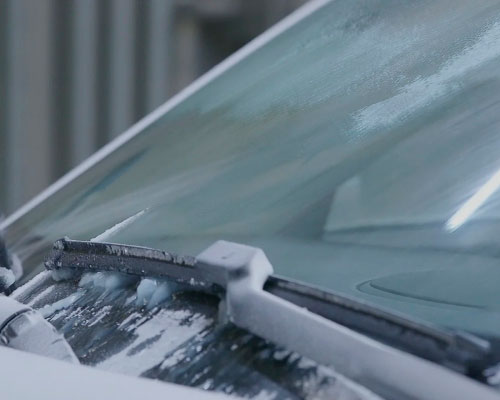
Use a clean cloth to clean your windscreen whenever you fill your gas. Use a damp paper towel to clean away loose dirt or oil. Use your defroster or scrapper to melt your snow and ice (AVOID using windscreen wipers). During winter, pull the blades away from your windshield (prevent the ice built up)
The quality of your wiper blade or rubber determines when you'll need to replace it. Your own driving conditions also this decision. Generally, the ideal service intervals range between six months and one year. Even if your rubber blade is intact and pliable after 12 months, it's unsafe. Go ahead and replace it and avoid the risk of streaking and skipping.
Not only duration. You can also replace your wiper blade whenever you notice a problem with it.
There are professionals everywhere who want to help you replace your car's wipers. But if you have time and want to do this simple task alone, here are the steps you should follow.
1. Find out the wiper's size
What's your blades length? If you get that, you know your wiper size. Measure the length or look at your car's owner's manual. Your wipers sizes will range from 16 inches to 26 inches. Your car may have blades of different sizes. So measure both sides.
2. Purchase
Give your auto store your car's specific year, model, and make. This will boost your odds of getting the perfect wiper blade size and arm type.
3. Replace
Lift your old wiper arm to remove it from your windshield. After lifting it, depress the tab on the wiper's underside and slide the blade off concurrently.
Then pull your new wiper blade tight onto the car's arm. (Pull until you hear a click).
4. Test
Test if you wipers are performing to your expectation. It's better to detect a problem now than during the middle of a torrential downpour.